There is a particular disappointment in ordering a cream tea and being handed a single scone, and a different one in arriving for afternoon tea expecting a quiet half hour and finding yourself committed to two and a half. The two share a teapot, a scone and a certain amount of ceremony, which is where most of the confusion begins. They are not the same meal at different prices. They are different meals that happen to be served at roughly the same time of day.
What Each One Actually Is
A cream tea is a pause. You get a pot of tea, a scone or two, a dish of clotted cream and a pot of jam. That is the whole thing. Some cafés add a slice of cake or a shortbread finger, and in the West Country you will sometimes be offered a second scone without asking, but the core of it never changes.
A full afternoon tea is a meal in three movements: savoury, then scones, then sweet. It arrives on a tiered stand or in courses, and it is designed to carry you from mid-afternoon to a late dinner. Where a cream tea takes twenty minutes, afternoon tea takes an hour and a half at least.
One thing worth clearing up early: high tea is not a grander afternoon tea. Traditionally it was a working supper in the early evening — something hot and substantial with a pot of tea alongside. If a venue advertises high tea, check what it means before you book.
What Lands On The Table
A cream tea is easy to picture. Expect:
- A pot of tea, usually with milk, sometimes with a choice of leaves
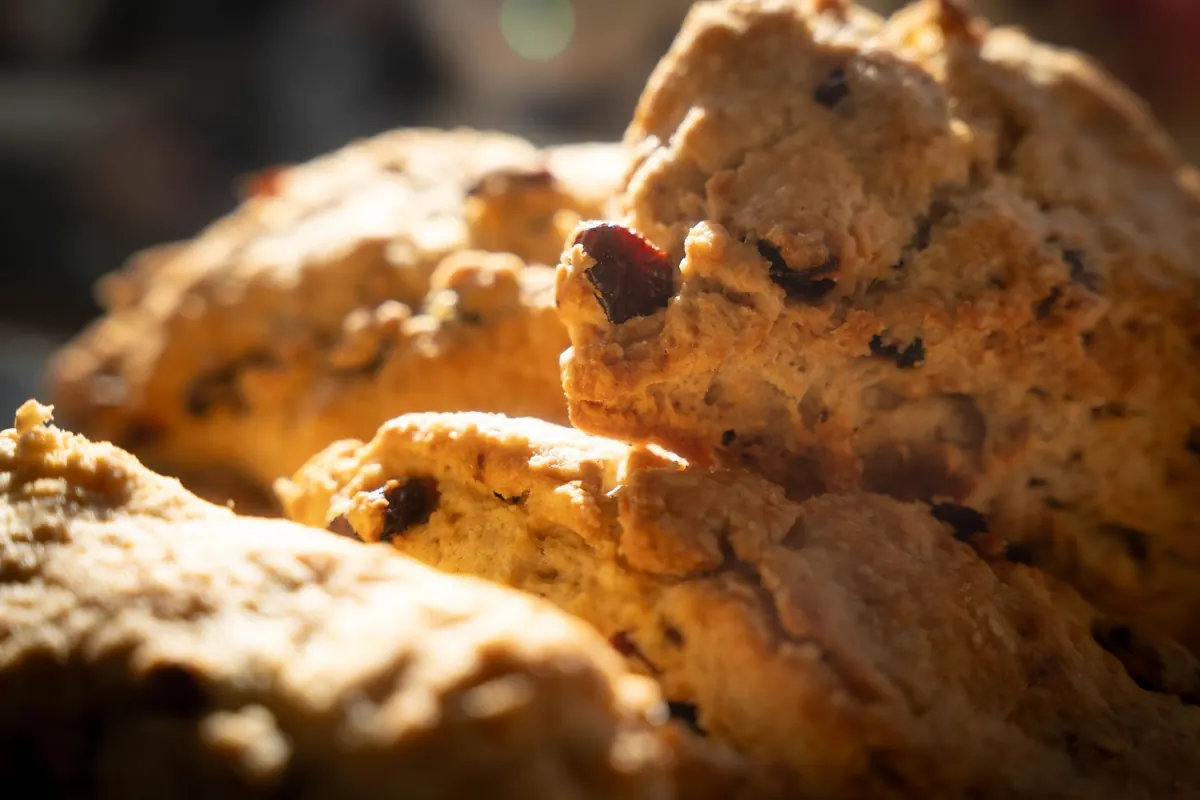
- One or two scones — plain, fruit, or occasionally cheese
- Clotted cream, ideally from Devon or Cornwall
- Strawberry or raspberry jam
- Butter, which is traditional but increasingly omitted to save the scone's structural integrity
Afternoon tea follows a set order, and knowing it helps you pace yourself:
- Sandwiches. Finger-sized, crusts off, in classics such as cucumber, smoked salmon, egg mayonnaise and ham with mustard.
- A warm savoury. Often a mini quiche, a small sausage roll or a tartlet. Not universal, but common.
- Scones. With cream and jam, served slightly warm if you are lucky.
- Cakes and pastries. A tier of small things — a tartlet, a slice of battenberg, a chocolate bite, a macaron.
- Tea throughout, and coffee if you ask, plus something sparkling at the more expensive end.
What Drives the Price
A cream tea is one of the better-value treats in Britain. You are paying for a scone, some cream and the room you eat it in, so the difference between a village tearoom and a smart hotel comes down to the setting rather than the ingredients.
Afternoon tea is priced as an event. What pushes it up is the number of components, the labour in making dozens of small items, the china, the linen, the staff-to-guest ratio, and frequently the address. Refills matter more than you would think: unlimited tea and coffee makes a real difference to how generous a sitting feels. If you are booking for a group, ask whether service is included and whether a deposit is required, because most places that serve afternoon tea do both.
Timing, Appetite and the Rest of Your Day
Cream tea works as a bridge. Half past three to four o'clock, a walk afterwards, dinner still possible at eight. It suits a day out, a coastal path, a market town, a stop between two other things. It also suits anyone who does not especially like sandwiches.
Afternoon tea replaces lunch, and ideally a good part of dinner too. Book it for between three and five, eat a light breakfast, and skip lunch entirely. Turning up hungry is fine; turning up after a full roast is a waste of money. If you have an evening engagement, book an early sitting.
Which One Suits Which Occasion
- A birthday with a small group: afternoon tea. The tiered stand does the decorating for you.
- Meeting a friend for an hour: cream tea. Nobody has to commit to three courses of cake.
- A day trip or a long walk: cream tea, ideally somewhere with a view and a second pot of tea.
- Visitors from abroad who want the full picture: afternoon tea, once. It is a piece of theatre worth seeing.
- Children: cream tea is usually the easier and cheaper option, though many hotels do a scaled-down afternoon tea.
- Marking something properly: afternoon tea with a glass of something, booked well ahead.
Doing It Well: Small Practicalities
Book afternoon tea; walk into a cream tea. That is the general rule. Venues with a reputation fill up weeks ahead at weekends, and dietary requirements — gluten-free, dairy-free, vegetarian, nut allergies — need flagging when you book, not when you sit down.
On the cream-first-or-jam-first question: Devon puts cream on first, Cornwall puts jam on first. Both are defended fiercely. Nobody will actually stop you either way.
A few other things worth knowing. Split the scone rather than cutting it through the middle with a knife; it holds together better and takes more cream. Don't eat the top tier first just because it looks best. If the tea is unlimited, ask for a fresh pot rather than letting the first one stew. And check the dress code — most places are relaxed, but a handful of grand hotels still ask for smart casual and turn away shorts and trainers.
A Simple Way to Choose
Ask yourself what the next four hours look like. If there is dinner in them, or a train, or another stop, choose the cream tea. If the tea is the occasion, choose the full afternoon tea and give it the time it needs.
Budget is the other honest guide. A cream tea is a small, repeatable pleasure you can have on a Tuesday. Afternoon tea is a treat with a date attached. Neither is the "proper" version — they simply do different jobs, and a person who knows the difference gets far more out of both.
Photo: James Collington / Pexels